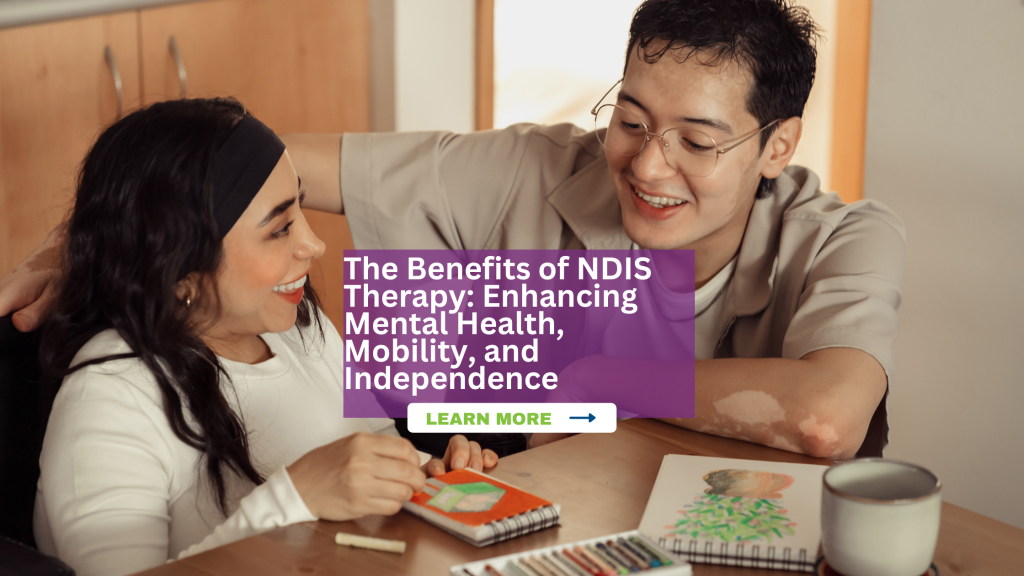
Therapy is a powerful tool for enhancing overall well-being—supporting not just specific challenges, but also helping individuals lead more balanced and fulfilling lives. From speech and physiotherapy to behavioural support, therapeutic services offer real, lasting benefits for people of all ages, particularly those living with disability. In this article, we’ll explore how therapy can boost mental, emotional, physical, and social health. We’ll also look at how tailored therapeutic support can foster greater independence and make daily life more manageable and meaningful.
How Therapy Enhances Well-Being and Builds Independence
Therapy is more than just a solution to specific problems—it’s a powerful tool that nurtures the mind, body, and spirit. For people living with a disability, NDIS-funded therapeutic supports like occupational therapy, speech therapy, physiotherapy, and behaviour support can dramatically improve daily life, mental health, and independence.
At Closer Care, we believe everyone deserves the opportunity to thrive, not just survive. With the right therapeutic support, individuals can gain confidence, build essential life skills, and experience a greater sense of independence and control.
How Does Therapy Improve Overall Well-Being?
Therapy supports every aspect of well-being—not just physical health. Whether you’re working through emotional challenges, building mobility, or enhancing communication, therapeutic support plays a vital role in helping NDIS participants live more independently.
Key benefits of therapy for overall well-being:
Emotional regulation: Learn to manage anxiety, depression, and stress more effectively.
Physical rehabilitation: Improve mobility, posture, and reduce pain through physiotherapy.
Social connection: Strengthen relationships and communication with the help of speech therapy and counselling.
Goal achievement: Therapists support you in working towards personal and NDIS goals for independence and daily living.
Can Therapy Improve Mental Health and Emotional Balance?
Yes, absolutely. Therapy provides vital mental health support, which can lead to a more balanced and fulfilling life. Whether it’s through one-on-one counselling, psychology, or behavioural support, therapy can help you understand your emotions, process past trauma, and build healthier thought patterns.
Therapeutic strategies that support mental health:
Managing anxiety and depression with evidence-based techniques like CBT (Cognitive Behavioural Therapy).
Stress relief through mindfulness and relaxation strategies.
Emotional resilience, helping individuals bounce back from setbacks.
Building self-esteem and self-worth, especially for people who may feel isolated or misunderstood.
How Does Therapy Help You Manage Stress?
Daily stress can impact health, relationships, and motivation. Therapy offers long-term tools to manage stress in a way that empowers rather than overwhelms.
Mindfulness training: Techniques like meditation and breathing exercises lower stress hormones.
Cognitive reframing: Learn to challenge negative thinking patterns and develop a healthier mindset.
Structured routines: Therapists help individuals create daily plans that reduce stress and increase productivity.
Professional support: A safe space to talk about your challenges can lead to major breakthroughs in well-being.
Does Therapy Improve Social Skills and Relationships?
Strong social connections are essential for a good quality of life. NDIS therapy services can improve communication, social understanding, and conflict resolution skills, which are particularly beneficial for people with autism, developmental delays, or social anxiety.
Speech therapy improves clarity, articulation, and expression.
Counselling enhances empathy and listening skills.
Group therapy or social skills programs help participants practice interactions in real-life settings.
Family therapy strengthens relationships and builds better support networks.
Can Therapy Increase Your Independence?
Yes—this is one of the most powerful impacts of therapy. It enables NDIS participants to manage daily tasks on their own, build confidence, and lead a more independent life.
Examples of independence-building support:
Occupational therapy: Learn life skills like budgeting, cooking, or personal care.
Physiotherapy: Gain strength and mobility for greater self-reliance.
Goal-setting: Therapists work alongside participants to set and achieve independence milestones.
Assistive technology training: Learn how to use devices that support mobility, communication, or learning.
How Can Therapy Improve Physical Health and Mobility?
Therapy isn’t just about talking—it often involves movement, recovery, and improving your body’s ability to function. Services like physiotherapy and occupational therapy play a major role in reducing pain, increasing range of motion, and preventing long-term injuries.
Pain management: Hands-on therapy and exercise plans reduce discomfort.
Post-surgery recovery: Rehabilitation helps you regain function after procedures.
Fall prevention: Therapists create plans to improve balance and coordination.
Mobility support: Learn how to safely use mobility aids like walkers, wheelchairs, or prosthetics.
How Does Therapy Help With Daily Life Challenges?
From managing routines to adapting to changes, therapy can help participants overcome daily challenges and take more control of their lives.
Problem-solving skills: Build logical thinking and decision-making abilities.
Routine planning: Therapists can create personalised schedules that promote structure and success.
Adapting to change: Emotional and psychological support for life transitions or new diagnoses.
NDIS goal support: Work directly on the goals outlined in your NDIS plan with your therapist’s guidance.
Why Is Therapy Important for People With Disabilities?
Therapy is essential for enhancing quality of life and unlocking potential. With personalised support and care, people with disabilities can overcome barriers, grow stronger, and live more independently.
Key benefits:
Empowerment: Gain control over your life and choices.
Tailored support: Therapy plans are built around your goals, strengths, and challenges.
Confidence building: Achievements in therapy lead to more self-belief and motivation.
Holistic approach: Therapy supports the whole person—mind, body, and spirit.
Therapy at Closer Care: Your Pathway to a Fulfilling Life
At Closer Care, we’re proud to provide NDIS-funded therapy services that promote independence, resilience, and well-being. Whether you’re seeking support in mental health, mobility, communication, or behaviour, our experienced team of allied health professionals is here to walk alongside you.
Our therapy services include:
Art Therapy
Physiotherapy
Psychology and Counselling
Chiropractor
We tailor every therapy program to suit your goals, culture, and preferences. Because at Closer Care, we believe that with the right support, you can live the life you choose.
📞 Ready to take the next step?
Contact Closer Care today to find out how our therapeutic services can help you or your loved one build a more independent, confident, and fulfilling life.